Claim adjuster, a crucial role in the insurance industry, navigates the intricate process of claim adjustment with precision and expertise. Dive into the world of claim adjusters and uncover the key aspects that shape this profession.
From understanding their roles to exploring the ethical considerations they face, this comprehensive guide sheds light on the multifaceted nature of being a claim adjuster.




Definition of a Claim Adjuster
Claim adjusters play a crucial role in the insurance industry by investigating insurance claims to determine the extent of the insurance company’s liability. They assess damages, gather information from various sources, and negotiate settlements with claimants.
Role and Responsibilities of a Claim Adjuster
- Conducting thorough investigations into insurance claims to verify the validity of the claim.
- Assessing the extent of damages or loss covered by the insurance policy.
- Interviewing witnesses, claimants, and experts to gather relevant information.
- Reviewing police reports, medical records, and other documentation related to the claim.
- Negotiating settlements with claimants or their legal representatives.
Skills and Qualifications Required
- Strong analytical and problem-solving skills to evaluate complex claims.
- Excellent communication and negotiation skills to interact with claimants, witnesses, and experts.
- Attention to detail to review and analyze documentation accurately.
- Knowledge of insurance policies, laws, and regulations governing insurance claims.
- Ability to work independently and make sound decisions under pressure.
Examples of Situations Requiring Claim Adjusters
- Car accidents where the extent of damage and liability needs to be determined.
- Natural disasters such as hurricanes or wildfires resulting in property damage claims.
- Medical malpractice claims involving injuries or negligence by healthcare providers.
- Property damage claims due to theft, vandalism, or accidents in residential or commercial properties.
Types of Claim Adjusters
Public adjusters and independent adjusters are two main types of claim adjusters who play crucial roles in the insurance industry. Each type has specific functions and responsibilities that cater to different needs of policyholders.
Public Adjusters
Public adjusters work on behalf of policyholders to assist them in preparing, filing, and negotiating insurance claims. They are hired by the insured party and advocate for their best interests throughout the claims process. Public adjusters assess the damage, review the insurance policy, and negotiate with the insurance company to ensure fair compensation for the policyholder.
- Public adjusters are often utilized in complex or high-value claims where the policyholder may need expert guidance to navigate the insurance process.
- They are especially helpful in cases where the insured party feels overwhelmed or lacks the expertise to handle the claim on their own.
- Public adjusters can provide a valuable service by maximizing the settlement that the policyholder receives.
Independent Adjusters
Independent adjusters, on the other hand, are hired by insurance companies to investigate and assess insurance claims on their behalf. They are responsible for determining the extent of the loss, evaluating the validity of the claim, and recommending the appropriate settlement amount to the insurance company. Independent adjusters work independently from the insurance company, providing an unbiased assessment of the claim.
- Independent adjusters are commonly used by insurance companies to handle a high volume of claims during peak periods or when specialized expertise is required.
- They play a crucial role in ensuring that claims are processed efficiently and accurately, benefiting both the insurer and the policyholder.
- Independent adjusters are trained professionals who bring objectivity and expertise to the claims process.
Process of Claim Adjustment
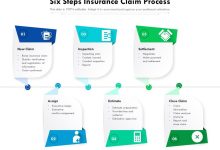
Claim adjustment is a crucial part of the insurance industry, where claim adjusters play a vital role in assessing damages and determining the validity of claims. The process involves various steps to ensure fair and accurate settlements for all parties involved.
Investigating Claims
- Upon receiving a claim, the adjuster will conduct a thorough investigation to gather all relevant information.
- This may include reviewing police reports, interviewing witnesses, examining damage, and assessing any other evidence related to the claim.
- The goal is to determine the extent of liability and the amount of compensation that should be provided.
Assessing Damages
- After gathering all necessary information, the claim adjuster will assess the damages to determine the cost of repairs or replacements.
- They may use tools such as estimating software, industry databases, and other resources to calculate the value of the claim accurately.
- Additionally, adjusters may consult with experts in various fields to validate the extent of the damages and ensure a fair settlement.
Tools and Technologies
- Claim adjusters often utilize advanced technologies such as drones for aerial inspections of damages, 3D imaging for detailed assessments, and virtual reality tools for virtual tours of properties.
- Estimating software like Xactimate is commonly used to calculate repair costs based on industry standards and local pricing.
- Mobile apps and online platforms also help adjusters streamline the claims process, communicate with all parties involved, and provide updates on the status of claims.
Interactions with Policyholders
Claim adjusters play a crucial role in communicating with policyholders throughout the claims process. Effective communication is key to ensuring a smooth and satisfactory experience for all parties involved.
Strategies for Handling Challenging Conversations or Disputes
- Listen actively: Allow policyholders to express their concerns and grievances without interruption. Show empathy and understanding towards their situation.
- Remain calm and professional: Even in difficult situations, maintain a professional demeanor and avoid getting defensive or confrontational.
- Clarify information: Clearly explain the claim process, coverage details, and any decisions made. Address any misunderstandings promptly.
- Seek common ground: Look for solutions that benefit both parties and work towards a mutually satisfactory resolution.
- Document everything: Keep detailed records of all interactions and decisions made during the claim adjustment process.
Tips for Maintaining Positive Relationships with Policyholders
- Provide regular updates: Keep policyholders informed about the progress of their claim and any relevant developments.
- Be transparent: Communicate openly and honestly about the claim process, timelines, and possible outcomes.
- Show empathy: Acknowledge the emotional impact of the loss or damage experienced by the policyholder and offer support.
- Follow up: After the claim is settled, follow up with the policyholder to ensure their satisfaction and address any remaining concerns.
- Offer assistance: Provide guidance on preventive measures or additional services that could help mitigate future risks.
Legal and Ethical Considerations
Claim adjusters play a crucial role in the insurance industry, and it is essential for them to adhere to specific legal and ethical guidelines to maintain professionalism and trust.
Legal Guidelines
- Claim adjusters must comply with all relevant laws and regulations governing insurance claims in the jurisdiction they operate in.
- They should ensure that all claim settlements are fair and in accordance with the terms of the insurance policy.
- Claim adjusters should avoid any conflicts of interest and act in the best interest of the policyholder.
Ethical Guidelines
- Confidentiality is paramount in the field of claim adjustment. Claim adjusters must handle all sensitive information with the utmost care and only disclose it to authorized individuals.
- Professionalism is key when interacting with policyholders. Claim adjusters should maintain a respectful and empathetic attitude at all times.
- Integrity and honesty are essential traits for claim adjusters. They should always provide accurate information and avoid any form of deception or manipulation.
Ethical Dilemmas and How to Handle Them
- One common ethical dilemma is when a claim adjuster is pressured to settle a claim for an amount that is not justified. In such cases, the adjuster should stick to the facts and ensure that the settlement is fair for all parties involved.
- Another dilemma could be when a claim adjuster discovers fraudulent behavior on the part of the policyholder. In this situation, the adjuster should report the findings to the appropriate authorities and handle the case with integrity.
- Maintaining confidentiality can also pose ethical challenges, especially when pressured to disclose information to unauthorized individuals. Claim adjusters should uphold the principle of confidentiality and only share information as required by law.
Negotiation Skills
As a claim adjuster, having strong negotiation skills is essential in reaching fair settlements for all parties involved. Effective negotiation techniques can help you navigate complex claim situations and resolve conflicts efficiently. By utilizing proven strategies, you can achieve mutually beneficial outcomes and maintain positive relationships with policyholders and other stakeholders.
Techniques for Effective Negotiation
- Active Listening: Listen carefully to the concerns and needs of all parties involved to understand their perspectives.
- Empathy: Show empathy towards policyholders and demonstrate understanding of their situation to build trust.
- Transparency: Be transparent about the claim process, timelines, and any limitations to manage expectations effectively.
- Problem-Solving: Approach negotiations as a problem-solving exercise to find creative solutions that meet everyone’s needs.
- Compromise: Be willing to compromise on certain aspects of the claim to reach a fair and timely settlement.
Reaching Fair Settlements
- Objective Criteria: Use objective criteria such as policy terms, legal requirements, and industry standards to determine fair settlements.
- Documentation: Provide detailed documentation of the claim investigation, assessment, and settlement offers to support your negotiation position.
- Negotiation Range: Establish a negotiation range based on the claim value and potential outcomes to guide your discussions with policyholders.
- Win-Win Solutions: Strive to find win-win solutions that address the needs of both the policyholder and the insurance company.
Successful Negotiation Strategies
- Building Rapport: Establishing a positive relationship with policyholders can enhance trust and facilitate smoother negotiations.
- Explaining Decisions: Clearly communicate the rationale behind your decisions and settlement offers to policyholders to foster understanding.
- Managing Expectations: Set realistic expectations with policyholders about the claim process, timelines, and possible outcomes to avoid misunderstandings.
- Seeking Feedback: Encourage feedback from policyholders during negotiations to address any concerns or issues promptly.
Claims Documentation
Thorough documentation is a crucial aspect of claim adjustment, as it serves as a record of all relevant information and communication related to the claim. Proper documentation helps claim adjusters in evaluating the claim, making informed decisions, and ensuring compliance with legal and ethical standards.
Types of Documents
Claim adjusters need to review and prepare various types of documents to effectively handle claims. Some key documents include:
- Policyholder’s insurance policy
- Claim forms and statements
- Photos or videos of the damage
- Witness statements
- Police reports (if applicable)
- Repair estimates and invoices
- Correspondence with policyholders, witnesses, and other involved parties
Tips for Organizing Claim Files
Organizing and maintaining accurate claim files is essential for efficient claim adjustment. Here are some tips to help claim adjusters in managing claim documentation:
- Create a standardized filing system to categorize and store documents effectively.
- Document all communication and actions taken regarding the claim in a chronological order.
- Regularly update claim files with new information and developments.
- Keep digital copies of all documents to ensure easy access and backup.
- Maintain confidentiality and security of claim files to protect sensitive information.
Continuing Education and Training
Continuing education and training are crucial for claim adjusters to stay current in the field and enhance their skills. It allows them to adapt to changing regulations, technologies, and best practices, ultimately improving the quality of their work.
Resources for Ongoing Education
Claim adjusters can utilize various resources and courses to stay updated in the field. Some options include:
- Attending industry conferences and seminars to network and learn about the latest trends
- Enrolling in online courses or webinars offered by professional organizations
- Participating in workshops or training sessions provided by insurance companies
- Reading industry publications and journals to stay informed about current issues
Benefits of Pursuing Certifications
Obtaining certifications or additional qualifications can bring several benefits to claim adjusters, such as:
- Enhanced credibility and professionalism in the field
- Increased job opportunities and career advancement
- Expanded knowledge and expertise in specific areas of claims adjusting
- Networking opportunities with other professionals in the industry
Career Growth Opportunities
As a claim adjuster, there are various career growth opportunities that can be pursued to advance in the profession and achieve long-term success. Experience, specialization, and continuous learning play key roles in opening up new paths for claim adjusters to explore.
Specialization in a Niche Area
Specializing in a specific type of insurance claims, such as property damage, bodily injury, or medical claims, can enhance your expertise and marketability as a claim adjuster. By focusing on a niche area, you can become a subject matter expert and handle more complex cases within that specialization.
Management and Leadership Roles
With years of experience in claim adjustment, claim adjusters have the opportunity to move into management or leadership positions within insurance companies. These roles involve overseeing a team of adjusters, setting departmental goals, and making strategic decisions to improve claims processes and customer satisfaction.
Obtaining Professional Certifications
Continuing education and obtaining professional certifications, such as the Chartered Property Casualty Underwriter (CPCU) designation, can significantly boost your credibility and open doors to higher-paying positions in the insurance industry. These certifications demonstrate your commitment to ongoing learning and professional development.
Transitioning to Independent Adjusting
Experienced claim adjusters may choose to transition to independent adjusting, where they work as contractors for multiple insurance companies or third-party administrators. This path offers more flexibility, higher earning potential, and the chance to work on a wider variety of claims across different insurers.
Advancement into Claims Management Technology
As technology continues to play a crucial role in the insurance industry, claim adjusters can explore opportunities in claims management technology. By becoming proficient in software solutions and data analytics tools used for claims processing, adjusters can pivot into roles focused on improving efficiency and accuracy in claims handling processes.
Last Word
As we conclude our exploration of claim adjusters, it becomes evident that their role extends far beyond processing claims. With a blend of legal knowledge, negotiation skills, and ethical considerations, claim adjusters stand as pillars of integrity in the insurance realm.

Contributing author focused on delivering fresh perspectives and timely information.