Claim documentation is a critical aspect of insurance claims, ensuring accuracy and expediency. From organizing documents to validating information, this guide explores the key elements of efficient claim documentation.
As we delve into the various types of claim documentation and best practices for documenting losses, you’ll gain valuable insights into streamlining the claim documentation process for optimal results.





Importance of Claim Documentation
Having complete and accurate claim documentation is essential when it comes to insurance claims. It serves as a crucial piece of evidence to support your claim and helps the insurance company assess the validity of your request efficiently.
Expedited Claim Processing
- Well-documented claims provide clear information about the incident, including the date, time, and nature of the loss. This helps expedite the claim process as adjusters can quickly review the details without the need for additional clarification.
- Photographic evidence, police reports, medical records, and receipts are examples of documentation that can significantly speed up the processing of your claim. These documents provide concrete proof of the damages or injuries incurred.
- When all necessary documentation is in order, the insurance company can promptly evaluate the claim, determine coverage, and proceed with the settlement, saving both parties time and effort.
Consequences of Inadequate Documentation
- Insufficient or inaccurate claim documentation can lead to delays in the claim settlement process. Without proper evidence, the insurance company may request more information or investigation, prolonging the resolution of your claim.
- Inaccurate documentation may also result in claim denial or reduced compensation. Missing details or conflicting information can raise doubts about the claim’s validity, causing complications and potential disputes.
- Moreover, inadequate documentation can hinder the insurance company’s ability to assess the extent of the damages accurately, leading to undervalued settlements or disputes over the claim amount.
Types of Claim Documentation
When filing a claim, it is essential to provide various types of documentation to support your case. These documents play a crucial role in the claims process by providing evidence and necessary information to the insurance company or relevant authorities.
Medical Claims
- Medical Records: Detailed documentation of the diagnosis, treatment, and prognosis provided by healthcare providers.
- Bills and Invoices: Proof of medical expenses incurred due to the injury or illness.
- Prescriptions: Evidence of medications prescribed as part of the treatment.
Auto Claims
- Police Report: Documentation of the accident and statements from involved parties.
- Photos of the Damage: Visual evidence of the vehicle damage.
- Repair Estimates: Quotes from auto repair shops for the cost of repairs.
Property Claims
- Inventory List: Detailed list of damaged or stolen items with their value.
- Receipts: Proof of purchase for valuable items claimed.
- Home Inspection Report: Assessment of the property damage by a professional.
Organizing Claim Documentation
Effective organization of claim documentation is crucial in ensuring easy access, reference, and management of important information related to claims. Properly organizing claim documents can streamline the process, improve efficiency, and facilitate quick retrieval of necessary information when needed.
Importance of Proper Labeling, Categorization, and Storage
- Labeling: Assign clear and descriptive labels to each document to easily identify its contents. Use consistent naming conventions to maintain uniformity.
- Categorization: Group related documents together based on their subject matter or type of claim. Create folders or digital folders to categorize documents systematically.
- Storage: Store physical documents in secure and organized filing systems. For digital documents, utilize cloud storage or document management software for easy access and backup.
Tips for Creating a Systematic Process
- Establish a standardized naming convention for all documents to ensure uniformity and easy searchability.
- Create a detailed index or table of contents to track all claim documents and their locations.
- Implement a secure backup system to prevent loss of important claim documentation.
- Regularly review and update your organization system to accommodate new documents and changes in claim status.
Validating Claim Documentation
When it comes to validating claim documentation, it is crucial to ensure that the information provided is authentic and accurate. This process involves verifying the legitimacy of the documents submitted to support a claim.
Process of Validating
One common method used to validate claim documentation is to cross-reference the information provided with other supporting documents or sources. This could involve contacting third parties, such as medical professionals or insurance companies, to confirm the details of a claim. Additionally, examining the consistency of the information within the documentation itself can help in determining its accuracy.
Methods for Verification
- Checking for signatures and official stamps to confirm the authenticity of the documents.
- Conducting background checks on individuals or entities mentioned in the claim documentation.
- Reviewing dates, locations, and other specific details to identify any discrepancies or inconsistencies.
Red Flags in Claim Documentation
There are certain red flags that may indicate falsified or misleading claim documentation. Examples of these include:
- Unusual or suspiciously high claim amounts without proper justification.
- Inconsistencies in the narrative of events or details provided in the documentation.
- Lack of supporting evidence or documentation to corroborate the claims being made.
Documenting Losses
When documenting losses for a claim, it is crucial to provide accurate and detailed information to support your case. This ensures that you can receive the appropriate compensation for your losses.
Specific Information Needed
- Descriptions of damaged or lost items: Provide detailed descriptions of the items that were damaged or lost, including brand, model, and any distinguishing features.
- Estimates of loss: Include estimates of the value of the damaged or lost items, as well as any repair or replacement costs.
- Proof of ownership: Provide proof of ownership for the items in question, such as receipts, invoices, or photographs.
- Evidence of damages: Document the extent of the damages with photographs, videos, or written descriptions.
Importance of Detailed Information
- Ensures accurate compensation: Providing detailed descriptions, estimates, and proof of losses helps the insurance company accurately assess the value of your claim.
- Strengthens your case: Detailed documentation can strengthen your case and increase the likelihood of a successful claim settlement.
- Prevents disputes: Clear and detailed documentation reduces the risk of disputes or delays in the claims process.
Tips for Compiling Evidence
- Organize documents: Keep all relevant documents, receipts, and photographs in a safe and organized manner for easy access.
- Take thorough documentation: Take detailed photographs and videos of the damages, including close-up shots and overall views.
- Obtain estimates: Get multiple estimates for repair or replacement costs to provide a comprehensive view of your losses.
- Keep a record: Maintain a record of all communication with the insurance company, including claim forms, emails, and phone calls.
Legal Aspects of Claim Documentation
Claim documentation plays a crucial role in legal proceedings, especially in insurance cases. The documentation serves as evidence to support the claimant’s case and can significantly impact the outcome of a legal dispute.
Importance of Well-Documented Claims
Well-documented claims provide a solid foundation for legal cases by offering tangible proof of the loss or damage incurred. This documentation can include police reports, medical records, repair estimates, and any other relevant evidence that supports the claimant’s assertions.
- Photographic evidence of the incident or damage can strengthen the claimant’s case by providing visual proof of the situation.
- Witness statements can corroborate the claimant’s version of events and add credibility to their claim.
- Documentation of communication with the insurance company or other involved parties can be crucial in proving that the claim was filed in a timely manner.
Impact on Legal Disputes
Claim documentation can make or break a legal dispute. If the claimant has thorough and well-organized documentation to support their case, it can significantly increase their chances of a favorable outcome in court.
- Accurate and detailed documentation can help establish the extent of the damages suffered and the financial losses incurred, making it easier to quantify the claim.
- Proper documentation can also help demonstrate the liability of the responsible party, whether it be another individual, a company, or an insurance provider.
Strengthening Legal Cases with Documentation
Examples of how well-documented claims can strengthen legal cases include:
- Submitting medical records, treatment invoices, and doctor’s reports to prove injuries sustained in an accident and the associated medical expenses.
- Providing repair estimates, receipts, and photographs of property damage to support a claim for property loss or damage.
- Including a detailed log of expenses incurred as a result of the incident, such as rental car costs, temporary lodging, or lost wages, to claim compensation for these losses.
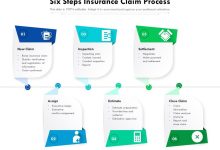
Claim Documentation Process
When it comes to the claim documentation process, there are several crucial steps involved in gathering, organizing, and submitting the necessary documentation to support a claim.
Roles and Responsibilities
It is essential to understand the roles and responsibilities of each party involved in the claim documentation process to ensure a smooth and efficient workflow:
- The insured: The insured individual or entity is responsible for providing accurate and detailed information about the claim, including any supporting documentation required.
- Adjusters: Adjusters play a key role in evaluating the claim and determining the validity of the documentation provided. They may request additional information or documentation as needed.
- Other parties: Depending on the nature of the claim, other parties such as medical professionals, witnesses, or experts may be involved in providing documentation to support the claim.
Tips for Streamlining
Streamlining the claim documentation process is essential to ensure efficiency and accuracy. Here are some tips to help streamline the process:
- Keep all documentation organized and easily accessible in a secure location.
- Create a checklist of required documents to ensure nothing is missed during the documentation process.
- Utilize digital tools and software to manage and store documentation electronically for easy retrieval.
- Communicate effectively with all parties involved to expedite the documentation process and address any issues promptly.
Technology and Claim Documentation
Technology has significantly impacted the management and processing of claim documentation in the insurance industry. The use of digital tools, software, and platforms has revolutionized the way claim documents are organized, stored, and processed.
Digital Tools for Organizing and Storing Claim Documents
With the advancement of technology, insurance companies now rely on digital tools to efficiently organize and store claim documents. These tools help in categorizing documents, ensuring easy access, and streamlining the overall claim documentation process.
- Document Management Systems (DMS): DMS platforms allow for centralized storage of claim documents, making it easier to retrieve and share information among relevant stakeholders.
- Data Analytics Software: Data analytics tools can analyze large volumes of claim data to identify patterns, trends, and anomalies, aiding in the decision-making process.
- Cloud Storage Solutions: Cloud storage offers a secure and scalable way to store claim documents, ensuring data backup and accessibility from anywhere.
Examples of Innovative Technologies in Claim Documentation Processes
Insurance companies are increasingly adopting innovative technologies to enhance their claim documentation processes. These technologies not only improve efficiency but also help in reducing errors and processing times.
- Artificial Intelligence (AI): AI-powered systems can automate data entry, extract relevant information from documents, and even predict claim outcomes based on historical data.
- Blockchain Technology: Blockchain ensures the security and immutability of claim documents by creating a tamper-proof digital ledger that can be accessed by authorized parties.
- Mobile Apps: Mobile applications allow policyholders to easily submit claim documents, photos, and videos directly from their smartphones, expediting the claims process.
Challenges in Claim Documentation
When it comes to documenting claims, there are several challenges that can arise, impacting the accuracy and thoroughness of the documentation process.
Missing Documents
One common challenge faced in claim documentation is missing documents. This can occur when essential papers, receipts, or evidence are lost or not provided by the policyholder.
- Request duplicates or replacements from relevant parties.
- Utilize technology to store and organize digital copies of documents.
- Include detailed descriptions or explanations in the absence of specific documents.
Incomplete Information
Another obstacle in claim documentation is incomplete information. When details are lacking or unclear, it can hinder the process of validating and assessing the claim.
- Communicate with the policyholder to gather missing information or clarify details.
- Consult additional sources or experts to fill in the gaps.
- Document efforts made to obtain the necessary information for transparency.
Conflicting Evidence
Conflicting evidence can also pose a challenge in claim documentation, especially when different sources or testimonies present contradictory information.
- Conduct a thorough investigation to reconcile conflicting evidence.
- Weigh the credibility and reliability of each source to determine the validity of the claim.
- Seek legal advice or mediation to address disputes or discrepancies in evidence.
Claim Documentation Best Practices
Effective claim documentation is crucial for insurance companies to properly assess and process claims. By following industry best practices, maintaining compliance with regulations, and improving the quality and reliability of claim documentation, insurance companies can streamline the claims process and ensure fair outcomes for policyholders.
Utilize Clear and Detailed Documentation
- Provide detailed descriptions of the incident or loss, including dates, times, and locations.
- Include photographs, videos, and other visual evidence to support the claim.
- Use clear and concise language to explain the circumstances surrounding the claim.
Consistency and Accuracy are Key
- Ensure that all information provided is accurate and consistent throughout the documentation.
- Double-check facts, figures, and details to avoid discrepancies that could delay the claims process.
- Document all communication with the policyholder and any other involved parties accurately.
Timely Submission and Updates
- Submit the claim documentation promptly to avoid delays in processing.
- Provide updates on the status of the claim and any additional information as soon as it becomes available.
- Keep the policyholder informed of the progress and any documentation requirements.
Training on Claim Documentation
Training on claim documentation procedures is crucial for insurance professionals to ensure accuracy, efficiency, and compliance with industry standards. Proper training can help professionals understand the importance of thorough documentation in the claims process, which ultimately leads to better outcomes for policyholders and insurance companies.
Available Training Programs
- Insurance Institutes: Many insurance institutes offer specialized courses and workshops on claim documentation, covering topics such as record-keeping, evidence collection, and report writing.
- Online Courses: There are various online platforms that provide training modules on claim documentation, allowing professionals to enhance their skills at their own pace and convenience.
- In-House Training: Some insurance companies conduct in-house training sessions or seminars to educate their staff on the best practices and procedures for documenting claims.
Benefits of Ongoing Education
Continual education and training in claim documentation can significantly improve the quality of documentation submitted by insurance professionals. Ongoing training helps individuals stay updated on industry trends, regulations, and best practices, leading to more accurate and comprehensive claim reports. Additionally, regular training can enhance communication skills, attention to detail, and overall efficiency in handling claims.
Closure
In conclusion, mastering the art of claim documentation not only enhances the efficiency of claim processing but also strengthens legal cases. By following industry best practices and leveraging technology, you can navigate the challenges of claim documentation with confidence.

Contributing author focused on delivering fresh perspectives and timely information.