Claim status is a crucial aspect of insurance and healthcare, impacting individuals and organizations alike. Let’s delve into the importance, methods, and terminology surrounding claim status.
Understanding Claim Status
Claim status refers to the current stage or progress of an insurance or healthcare claim from submission to final resolution. It indicates whether the claim has been received, processed, approved, denied, or paid by the insurance company or healthcare provider.





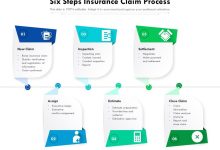
Monitoring claim status is crucial for both individuals and organizations. For individuals, it ensures that their claims are being processed in a timely manner and helps them stay informed about the progress of their reimbursement or coverage. For organizations, such as healthcare facilities or insurance companies, tracking claim status is essential for managing cash flow, identifying any potential issues or delays, and maintaining efficient operations.
Typical Stages in Claim Status Process
- Submission: The initial stage where the claim is submitted to the insurance company or healthcare provider for processing.
- Verification: The claim is verified for accuracy, completeness, and eligibility based on the policy terms.
- Processing: The claim is reviewed, and benefits are determined according to the policy coverage.
- Adjudication: The final decision on the claim is made, either approving or denying the reimbursement or coverage.
- Payment: If the claim is approved, the payment is processed and issued to the individual or healthcare provider.
Methods of Checking Claim Status
When it comes to checking the status of a claim, there are several methods available to individuals. Each method has its own advantages and disadvantages, so it’s important to choose the one that best suits your preferences and needs.
Online Portals
Many insurance companies and government agencies provide online portals where claimants can log in and check the status of their claims. This method offers the convenience of 24/7 access and real-time updates. However, some individuals may find navigating the portal confusing or may encounter technical issues.
Phone Calls
Another common method is to call the customer service hotline provided by the insurance company or agency. Speaking directly to a representative can provide immediate answers and clarification. On the downside, wait times can be long, and miscommunication may occur over the phone.
Mobile Apps
Some organizations offer mobile apps that allow users to track their claim status on their smartphones. This method is convenient for those who prefer to check on-the-go. However, not all companies have mobile apps, and some users may not feel comfortable sharing personal information on their devices.
Tips for Effective Checking
- Make sure to have all necessary information, such as claim number and personal details, on hand before checking.
- Double-check the accuracy of the information entered to avoid any errors or delays.
- Choose a method that aligns with your preferences and technical proficiency.
- Follow up periodically if there are delays or changes in the claim status.
Common Claim Status Terminology
Understanding the common terms related to claim status is essential for individuals navigating the healthcare and insurance systems. Each status carries specific implications that can impact the next steps individuals need to take.
Processed:
When a claim is marked as “processed,” it means that the insurance company or healthcare provider has reviewed the claim and taken the necessary steps to determine coverage and payment. This status indicates that the claim has been handled and a decision has been made.
Denied:
A “denied” claim status indicates that the insurance company or healthcare provider has decided not to cover the claim. This can happen for various reasons, such as lack of coverage, incorrect information, or services deemed unnecessary. Individuals may need to follow up with the provider to understand the reason for denial and explore potential next steps.
Pending:
When a claim is marked as “pending,” it means that the review process is still ongoing, and a decision has not yet been made. This status typically requires patience as individuals wait for the final determination from the insurance company or healthcare provider.
Approved:
An “approved” claim status signifies that the insurance company or healthcare provider has agreed to cover the services or expenses outlined in the claim. This status is positive and indicates that individuals can expect reimbursement or coverage for the claimed expenses.
Comparing Terminology:
Insurance companies and healthcare providers may use different terminology to describe claim statuses, but the underlying meanings are generally consistent. It’s important for individuals to familiarize themselves with the specific terms used by their provider to ensure clear communication and understanding throughout the claims process.
Resolving Claim Status Issues
When encountering claim denials or delays, it is crucial to address the issues promptly to ensure timely processing and payment. Understanding common reasons for claim discrepancies and having effective strategies in place can help resolve these issues efficiently.
Common Reasons for Claim Denials or Delays
Claim denials or delays can occur due to various reasons, including:
- Incorrect or incomplete information provided on the claim form.
- Missing documentation or required supporting documents.
- Non-covered services or procedures under the insurance policy.
- Policy errors or discrepancies in the insurance company’s records.
Strategies for Resolving Claim Status Issues
Effective strategies for resolving claim status discrepancies quickly and efficiently include:
- Double-checking all information provided on the claim form for accuracy and completeness.
- Following up with healthcare providers to obtain any missing documentation or additional information required.
- Contacting the insurance company directly to address any policy errors or discrepancies in the claim.
- Keeping detailed records of all communication and documentation related to the claim for future reference.
Role of Individuals, Healthcare Providers, and Insurance Companies
Resolving claim status issues often requires collaboration among individuals, healthcare providers, and insurance companies:
- Individuals should ensure that all information provided on the claim form is accurate and up-to-date.
- Healthcare providers play a vital role in supplying necessary documentation and information to support the claim.
- Insurance companies are responsible for reviewing claims, identifying discrepancies, and communicating with individuals and healthcare providers to resolve issues.
Impact of Claim Status on Finances
When it comes to insurance claims, the status of your claim can have a significant impact on your finances. Whether your claim is delayed or denied, it can affect your financial situation in various ways.
Financial Strain from Delayed Claims
Delayed claims can result in financial strain as you may have to cover the costs out-of-pocket while waiting for the claim to be processed. This can lead to unexpected expenses and impact your budgeting.
Financial Consequences of Denied Claims
Denied claims can have even more severe financial consequences. If your claim is denied, you may be left to pay for the expenses entirely on your own, which can be a heavy financial burden.
Managing Finances During Claim Processing
While waiting for claim status updates, it is crucial to manage your finances effectively. Consider setting aside emergency funds to cover any unexpected expenses that may arise due to delays or denials. Additionally, communicate with your insurance provider to understand the reasons for any delays or denials and explore alternative options to mitigate the financial impact.
Technology and Claim Status
Technology has revolutionized the way claim status tracking is managed, offering more efficient and accurate processes for both insurers and policyholders.
Impact of Technology on Claim Status Tracking
With the advancements in technology, claim status tracking has become more streamlined and transparent. Here are some key ways technology has improved the process:
- Automation of claim status updates, providing real-time information to policyholders.
- Integration of AI algorithms to analyze data and identify trends, leading to faster claim resolutions.
- Utilization of blockchain technology for secure and tamper-proof claim status records.
Emerging Technologies in Claim Status Management
As technology continues to evolve, emerging technologies like AI and blockchain are being integrated into claim status management to enhance efficiency and accuracy:
- AI: AI-powered systems can analyze vast amounts of data to predict claim outcomes, detect fraud, and optimize the claims process.
- Blockchain: Blockchain technology ensures secure and transparent claim status records, reducing the risk of fraudulent activities and improving trust between insurers and policyholders.
Future Advancements in Technology for Claim Status Procedures
Looking ahead, future advancements in technology are expected to further streamline claim status procedures and enhance the overall claims experience:
- Implementation of IoT devices for real-time data collection and analysis, improving accuracy in claim status updates.
- Enhanced use of machine learning algorithms to automate claims processing and optimize resource allocation.
- Integration of predictive analytics to anticipate claim issues and proactively address them before they escalate.
Privacy and Security Concerns
When it comes to checking claim status online, there are potential privacy and security risks that individuals need to be aware of. With sensitive personal information involved, it is crucial to take precautions to safeguard data from unauthorized access.
Identifying Potential Risks
- One of the main risks is the interception of data during transmission. Hackers may attempt to access information as it is being sent over the internet.
- Another risk is phishing scams, where individuals are tricked into providing personal information through fraudulent websites or emails.
- Insecure login credentials can also pose a threat, especially if passwords are weak or easily guessable.
Tips for Safeguarding Personal Information
- Use secure, unique passwords for accessing claim status portals and enable two-factor authentication if available.
- Avoid accessing claim status information using public Wi-Fi networks, as they may not be secure.
- Regularly monitor account activity and report any suspicious behavior immediately to the relevant authorities.
Role of Regulations like HIPAA
HIPAA (Health Insurance Portability and Accountability Act) plays a crucial role in protecting the privacy and security of individuals’ health information, including claim status data.
- HIPAA sets standards for the protection of sensitive health information and requires healthcare providers to implement safeguards to ensure the confidentiality of data.
- It also gives individuals rights over their health information and imposes penalties for unauthorized disclosure of protected health information.
Claim Status Communication
Effective communication between individuals, healthcare providers, and insurance companies is crucial in ensuring a smooth claim status process. Clear and timely communication can help prevent misunderstandings, reduce processing delays, and ultimately lead to faster resolution of claims.
Importance of Clear Communication
Clear communication regarding claim status updates is essential to keep all parties informed and aligned. It helps avoid confusion, ensures transparency, and allows for quick resolution of any issues that may arise during the claims process.
Examples of Effective Communication Strategies
- Regular Updates: Providing regular updates on the status of a claim can help manage expectations and keep all parties informed.
- Utilizing Secure Portals: Using secure online portals to share claim information can ensure confidentiality and streamline communication.
- Clarifying Information: Clearly explaining any discrepancies or additional information required for claim processing can help avoid delays.
Impact of Miscommunication
Miscommunication in claim status updates can lead to processing delays, claim denials, or errors in reimbursement. Lack of clarity or incorrect information exchanged between parties can create confusion and hinder the resolution of claims in a timely manner.
Trends and Statistics
As the insurance and healthcare industries continue to evolve, there are several notable trends and statistics shaping the landscape of claim status processing.
Current Trends in Claim Status Processing
One current trend in claim status processing is the increasing use of automation and artificial intelligence to streamline the claims approval process. This has led to faster processing times and reduced errors in claim status updates.
Another trend is the emphasis on transparency and communication with policyholders regarding their claim status. Insurers and healthcare providers are implementing online portals and mobile apps to provide real-time updates on claims.
Statistical Analysis of Claim Approval Rates and Denial Rates
- According to recent data, claim approval rates have been steadily increasing due to improved efficiency in processing systems. This means more claims are being approved in a timely manner.
- On the other hand, denial rates have also seen a slight decrease as a result of better communication between insurers/providers and claimants, leading to fewer misunderstandings and disputes.
Impact of Industry Trends on Individual Claim Experiences
These industry trends have a direct impact on individual experiences with claim status. Policyholders and patients are now able to track the progress of their claims easily, leading to increased satisfaction and trust in the system.
Moreover, the use of technology in claim status processing has reduced the likelihood of human errors, resulting in faster resolutions and fewer delays in claim approvals.
Improving Claim Status Processes
Improving claim status processes is crucial for enhancing efficiency and accuracy in handling insurance claims. By implementing innovative strategies, stakeholders can benefit from streamlined procedures that lead to better outcomes for all parties involved.
Utilizing Automation and AI Technology
Automation and artificial intelligence (AI) can revolutionize claim status processing by reducing manual tasks, minimizing errors, and accelerating decision-making. Through automated data entry, AI-powered algorithms can quickly analyze claim information, identify patterns, and flag potential discrepancies for further review.
- Implementing chatbots or virtual assistants to provide real-time updates on claim status to policyholders, reducing the need for phone calls or emails.
- Utilizing machine learning algorithms to predict claim outcomes based on historical data, helping adjusters make informed decisions more efficiently.
- Integrating optical character recognition (OCR) technology to extract data from claim documents accurately and speed up the verification process.
Adopting Blockchain for Secure Data Management
Blockchain technology offers a secure and transparent way to store and share claim status information across multiple parties. By creating a decentralized ledger system, insurers, claimants, and other stakeholders can access real-time updates and track the progress of claims seamlessly.
Blockchain ensures data immutability, preventing unauthorized changes to claim status records and enhancing trust among stakeholders.
- Utilizing smart contracts to automate claim settlements based on predefined conditions, reducing processing time and minimizing disputes.
- Implementing blockchain-based identity verification solutions to enhance security and prevent fraudulent activities in claim processing.
- Leveraging blockchain for claim audits and compliance checks, ensuring adherence to regulatory requirements and internal policies.
Outcome Summary
In conclusion, understanding claim status is vital for financial well-being and efficient healthcare processes. Stay informed and proactive when dealing with claim statuses to ensure smooth operations.

Contributing author focused on delivering fresh perspectives and timely information.