Claim settlement is a crucial aspect of insurance processes, encompassing various stages and types of claims. Let’s delve into the intricate world of claim settlements and explore its significance.
As we navigate through the complexities of claim settlement, we uncover essential aspects that shape the outcome of insurance claims and the pivotal role they play in ensuring fair resolutions.





Overview of Claim Settlement Process
When it comes to claim settlement in insurance, there are key stages that are crucial to understand in order to navigate the process effectively. Insurance adjusters play a significant role in facilitating these settlements by assessing the damages, determining coverage, and negotiating with the parties involved. Clear communication between all parties is essential to ensure a smooth and fair resolution.
Key Stages of Claim Settlement Process
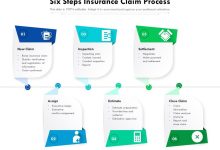
The claim settlement process typically involves the following key stages:
- Claim Submission: The policyholder submits a claim to the insurance company, providing details of the loss or damage.
- Claim Investigation: The insurance adjuster investigates the claim by assessing the extent of the damages and verifying the coverage under the policy.
- Evaluation and Negotiation: The adjuster evaluates the claim and negotiates with the policyholder to reach a settlement amount that is fair and reasonable.
- Settlement: Once an agreement is reached, the insurance company pays out the settlement amount to the policyholder.
Role of Insurance Adjusters
Insurance adjusters play a crucial role in the claim settlement process by:
- Assessing damages accurately to determine the extent of coverage under the policy.
- Negotiating with the policyholder to reach a fair and equitable settlement.
- Communicating effectively with all parties involved to ensure transparency and clarity throughout the process.
Importance of Clear Communication
Clear communication between the insurance company, the policyholder, and the insurance adjuster is vital during the claim settlement process as it:
- Helps in understanding the terms and conditions of the policy.
- Ensures that all parties are on the same page regarding the settlement amount and coverage.
- Prevents misunderstandings and disputes that can delay the settlement process.
Types of Claims
Insurance claims can vary depending on the type of coverage and the nature of the incident. Here are some common types of insurance claims and how they influence the settlement process.
Property Claims
Property claims typically involve damage to a home, business, or personal belongings due to events like fires, theft, or natural disasters. For example, if a tree falls on a house during a storm, the homeowner may file a property claim to cover the cost of repairs or replacement. Property claims often require assessments from adjusters and documentation of the damage before a settlement can be reached.
Health Claims
Health insurance claims are related to medical expenses incurred by policyholders for treatments, procedures, or medications. Common scenarios include hospital visits, surgeries, or prescription drug costs. Health claims can be complex and may involve coordination with healthcare providers to verify services rendered and costs incurred. The type of health insurance plan and coverage limits can impact the settlement process for these claims.
Auto Claims
Auto insurance claims are filed for damages or injuries resulting from car accidents. This can include repairs to the vehicle, medical expenses for injuries, or liability coverage for damages caused to others. Examples of auto insurance claims include fender benders, total loss accidents, or hit-and-run incidents. The settlement process for auto claims often involves investigations, police reports, and assessments of fault before compensation is determined.
Documentation Requirements
When filing a claim, having the necessary documentation is crucial for a smooth settlement process. Accurate and detailed paperwork helps ensure that your claim is processed efficiently and that you receive the compensation you deserve.
Essential Documents
- Policies and Contracts: Provide copies of your insurance policies or any relevant contracts related to the claim.
- Proof of Loss: This includes evidence such as receipts, invoices, or estimates to support your claim.
- Police Reports: For claims involving theft, vandalism, or accidents, a police report may be required.
- Medical Records: In cases of injury or health-related claims, medical records and bills are essential.
Importance of Accurate Documentation
- Verification: Documentation helps verify the details of your claim and substantiate your losses.
- Claim Evaluation: Insurance companies rely on documentation to assess the validity and extent of the claim.
- Legal Protection: Proper documentation protects your rights and ensures you receive fair compensation.
Tips for Organizing Paperwork
- Use a filing system: Organize your documents in labeled folders or digital folders for easy access.
- Keep originals: Maintain original copies of important documents and store them in a secure place.
- Update regularly: Review and update your documentation periodically to ensure information is current.
Evaluation and Assessment
In the evaluation and assessment phase of the claim settlement process, insurance companies employ various methods to determine the value of a claim. Adjusters play a crucial role in this process by assessing the extent of the damage and calculating a fair settlement amount based on the policy coverage and the specifics of the claim.
Methods Used by Insurance Companies
- Insurance companies utilize a combination of internal guidelines, industry standards, and expert opinions to evaluate claims.
- They may conduct on-site inspections, review documentation, and gather evidence to determine the validity of the claim.
- Companies may also use software programs and databases to assess the value of property damage, injuries, or other claim-related losses.
How Adjusters Determine Claim Value
- Adjusters consider the policy coverage, deductibles, limits, and exclusions when determining the value of a claim.
- They assess the extent of the damage, injuries, or losses to calculate a fair and reasonable settlement amount.
- Adjusters also take into account the cost of repairs, medical expenses, lost income, and other relevant factors to determine the final settlement.
Factors Impacting Assessment and Settlement
- The extent of the damage or injuries can significantly impact the assessment and settlement amount.
- Previous claims history, policy details, and coverage limits can also influence the final settlement value.
- External factors such as market conditions, legal regulations, and expert opinions may play a role in determining the settlement amount.
Negotiation Strategies
Effective negotiation techniques play a crucial role in maximizing claim settlements and ensuring a fair outcome for all parties involved. By employing the right strategies, disputes or disagreements can be resolved amicably. Let’s delve into some key tips for successful negotiation in the claim settlement process.
Active Listening and Empathy
- Listen actively to the other party’s perspective and show empathy towards their concerns.
- Understanding their point of view can help in finding common ground and reaching a mutually agreeable settlement.
- Use phrases like “I understand how you feel” to demonstrate empathy and build rapport.
Transparency and Open Communication
- Be transparent about your expectations, needs, and limitations during the negotiation process.
- Encourage open communication to foster trust and create a cooperative environment.
- Clearly articulate your reasoning behind certain demands or proposals to facilitate a productive discussion.
Focus on Interests, Not Positions
- Avoid getting fixated on specific positions and instead focus on addressing underlying interests and concerns.
- Seek to understand the motivations behind the other party’s stance and look for creative solutions that meet both parties’ needs.
- Brainstorming together to explore different options can lead to innovative settlement agreements.
Seeking Win-Win Solutions
- Aim for win-win solutions where both parties feel satisfied with the outcome of the settlement.
- Explore options for compromise and concessions that benefit both sides in the long run.
- Emphasize collaboration and problem-solving to achieve a resolution that is fair and equitable for all involved.
Legal Aspects
When it comes to claim settlements, understanding the legal aspects is crucial. The legal framework plays a significant role in governing the entire process, shaping the rights and obligations of both policyholders and insurance companies, and ultimately influencing the outcome of a claim settlement.
Legal Framework
The legal framework governing claim settlements typically includes regulations, laws, and contractual agreements that dictate how claims should be processed, evaluated, and resolved. These regulations ensure that all parties involved adhere to specific guidelines and procedures to guarantee a fair and transparent process.
Rights and Obligations
- Policyholders have the right to file a claim for covered losses as outlined in their insurance policy. They are obligated to provide accurate and timely information to support their claim and cooperate with the insurance company throughout the settlement process.
- Insurance companies have the obligation to investigate claims promptly, fairly, and in good faith. They have the right to request relevant documentation and information to assess the validity of a claim and determine the appropriate settlement amount.
Influence on Claim Settlements
Legal considerations can significantly impact the outcome of a claim settlement. Failure to comply with legal requirements or contractual obligations can delay the settlement process or result in claim denial. On the other hand, understanding the legal framework can help policyholders and insurance companies navigate potential disputes and reach a mutually beneficial resolution.
Timelines and Deadlines
In the claim settlement process, it is crucial to understand the typical timelines for processing and settling insurance claims. Meeting deadlines plays a vital role in ensuring a smooth and efficient resolution of claims. Here, we will delve into the importance of adhering to timelines and provide tips for expediting the settlement process while meeting these deadlines.
Typical Timelines for Processing and Settling Claims
- Upon receiving a claim, insurance companies usually have a set timeframe within which they must acknowledge receipt of the claim. This initial step is essential in kickstarting the evaluation and assessment process.
- Following the acknowledgment, insurers typically have a specific period to investigate the claim, gather necessary documentation, and assess the extent of the loss or damage.
- Once the evaluation is complete, the insurance company will provide a decision on the claim. This decision usually comes with a timeframe within which the settlement amount will be disbursed to the policyholder.
Importance of Meeting Deadlines
Meeting deadlines in the claim settlement process is crucial for several reasons. First and foremost, adhering to timelines helps in maintaining trust and credibility between the insurer and the policyholder. Timely processing of claims ensures that policyholders receive the financial support they need promptly.
Moreover, meeting deadlines also helps in avoiding any potential legal implications. Failure to adhere to the set timelines could result in disputes, delays, or even claims denial, which can be detrimental to both parties involved.
Tips for Expediting the Settlement Process
- Submit Complete Documentation: Providing all necessary documentation and information upfront can expedite the evaluation and assessment process.
- Stay in Communication: Maintain open communication with the insurance company to address any queries or concerns promptly, speeding up the claim resolution.
- Follow Up Regularly: Keep track of the claim’s progress and follow up with the insurer at regular intervals to ensure timely processing.
- Consider Opting for Direct Deposit: Opting for direct deposit of the settlement amount can significantly reduce the time taken for funds to reach you.
Customer Experience
Customer experience plays a crucial role in shaping the overall satisfaction of policyholders during the claim settlement process. A positive experience can enhance trust in the insurance company and lead to customer loyalty, while a negative experience can result in dissatisfaction and even loss of business.
Impact of Claim Settlement Experiences on Customer Satisfaction
When customers have a smooth and efficient claim settlement experience, they are more likely to feel valued and supported by the insurance provider. This positive interaction can strengthen the relationship between the customer and the company, ultimately leading to higher satisfaction levels. On the other hand, delays, lack of transparency, or poor communication during the claims process can result in frustration and dissatisfaction among policyholders.
Best Practices for Enhancing Customer Experience During Claim Resolution
- Provide clear and transparent communication throughout the claims process to keep customers informed about the status of their claim.
- Offer multiple channels for customers to reach out for assistance or updates, such as phone, email, or online chat.
- Empower claims representatives to make decisions promptly and efficiently to avoid unnecessary delays.
- Show empathy and understanding towards customers facing challenging situations, such as accidents or property damage.
- Simplify the documentation requirements and guide customers through the necessary steps to submit their claim successfully.
Examples of Companies Excelling in Providing a Positive Claims Experience
Company A is known for its proactive communication with customers, providing regular updates and personalized support throughout the claims process. This dedication to customer service has resulted in high satisfaction ratings and positive reviews from policyholders.
Company B has implemented a user-friendly online claims portal that allows customers to track the status of their claim, upload documents easily, and communicate with claims adjusters efficiently. This digital solution has streamlined the claims process and improved overall customer experience.
Technology and Innovation
Technology and innovation play a significant role in shaping the claim settlement industry. Advancements in AI and automation have revolutionized claim processing and settlement, offering both benefits and challenges in integrating technology into the processes.
Technological Advancements in Claim Settlement
- AI-powered systems can quickly analyze and process large volumes of data, expediting the claim settlement process.
- Automation tools help reduce manual errors and streamline repetitive tasks, improving efficiency and accuracy.
- Blockchain technology ensures secure and transparent transactions, enhancing trust between parties involved in the settlement.
Benefits and Challenges of Integrating Technology
- Benefits:
- Increased speed and accuracy in claim processing, leading to faster settlements and reduced costs.
- Enhanced customer experience through quicker resolution and improved communication channels.
- Access to real-time data and analytics for better decision-making and risk assessment.
- Challenges:
- Initial investment costs associated with implementing new technologies and training staff to use them effectively.
- Data security and privacy concerns, especially with the use of AI and data analytics in claim settlement.
- Potential resistance to change from employees accustomed to traditional manual processes.
Fraud Prevention
Insurance fraud related to claim settlements is a serious issue that can impact the financial stability of insurance companies and raise premiums for honest policyholders. It is essential to identify common types of insurance fraud, discuss strategies and tools used to detect and prevent fraudulent claims, and explain the role of data analytics in identifying suspicious claim patterns.
Common Types of Insurance Fraud
- Falsifying information on claims forms to obtain higher payouts.
- Staging accidents or injuries to make false claims.
- Exaggerating the extent of damages or injuries for financial gain.
- Forging documents or receipts to support fraudulent claims.
Strategies and Tools for Detection and Prevention
- Implementing strict verification processes for claims documentation.
- Utilizing advanced technology such as AI and machine learning algorithms to flag suspicious claims.
- Training claims adjusters to spot red flags and investigate further when necessary.
- Collaborating with law enforcement agencies to prosecute cases of fraud.
Role of Data Analytics in Identifying Suspicious Claim Patterns
Data analytics plays a crucial role in fraud prevention by analyzing large volumes of claim data to detect anomalies and patterns indicative of fraudulent activity. By using predictive modeling and anomaly detection techniques, insurance companies can proactively identify and investigate potentially fraudulent claims before processing payouts.
Final Thoughts
In conclusion, the journey of claim settlement is a multifaceted one, requiring attention to detail, effective communication, and a thorough understanding of the process. As we strive for fair and efficient resolutions, navigating through the intricacies of claim settlements becomes paramount in the realm of insurance.

Contributing author focused on delivering fresh perspectives and timely information.